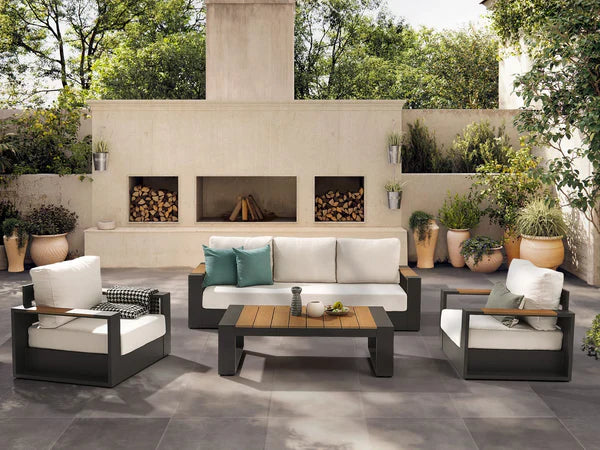


In the realm of materials science, few substances have achieved the level of prominence and versatility as high-density polyethylene, commonly known as HDPE. This thermoplastic polymer, derived from the polymerization of ethylene, has carved out a significant niche for itself in numerous industries, with its application in outdoor furniture being particularly notable. Today we will delve into the world of HDPE, exploring its properties, the reasons behind its widespread use in outdoor furniture, and how it stacks up against other materials such as PVC, PE, and resin
What is HDPE?
HDPE is a polyethylene thermoplastic made from petroleum. It is characterized by its high strength-to-density ratio, which gives it excellent durability and toughness. The polymer chains in HDPE are highly crystalline and closely packed, contributing to its robust structure. This results in a material that is resistant to various environmental factors, chemicals, and physical stress, making it an ideal choice for a wide range of applications.
HDPE is available in different forms, including sheets, pipes, and molded products. It can be easily processed using techniques such as injection molding, blow molding, and extrusion, allowing manufacturers to create complex and customized designs. Its versatility, combined with its relatively low cost and ease of production, has made it a popular choice across industries, from packaging and construction to automotive and, of course, outdoor furniture.

Why is HDPE Widely Used in Outdoor Furniture?
- Durability and Weather Resistance
One of the primary reasons HDPE is favored for outdoor furniture is its exceptional durability and weather resistance. Unlike many other materials, HDPE does not rot, warp, or splinter when exposed to the elements. It can withstand extreme temperatures, from scorching heat to freezing cold, without losing its structural integrity. Additionally, HDPE is highly resistant to UV radiation, which is a common cause of fading and degradation in outdoor materials. This means that HDPE outdoor furniture can maintain its vibrant colors and aesthetic appeal for years, even with prolonged sun exposure. Why Does Outdoor Wicker Furniture not Fade In The Sun?
- Low Maintenance
Another significant advantage of HDPE in outdoor furniture is its low maintenance requirements. Unlike wood, which needs regular staining, painting, or sealing to protect it from the elements, HDPE furniture only requires occasional cleaning with soap and water. It does not attract pests like termites, and its smooth surface resists the growth of mold and mildew. This makes HDPE furniture a practical and hassle - free choice for homeowners and businesses looking for long - lasting outdoor seating and table options.
- Sustainability
In an era where environmental concerns are at the forefront, HDPE's sustainability credentials are another factor contributing to its popularity. HDPE is 100% recyclable, which means that at the end of its useful life, it can be melted down and re - processed into new products. This not only reduces waste sent to landfills but also conserves valuable resources. Many manufacturers are also using recycled HDPE in their outdoor furniture production, further enhancing the material's eco - friendly appeal.
Learn more: Why Choose HDPE Wicker For Outdoor Furniture
- Design Flexibility
HDPE can be molded into a wide variety of shapes and designs, allowing for the creation of stylish and modern outdoor furniture pieces. It can be colored during the manufacturing process, offering a vast range of color options to suit different tastes and decor styles. Additionally, HDPE can be embossed or textured to mimic the look of other materials such as wood or wicker, providing the aesthetic appeal of these materials without their associated drawbacks.
Comparison of HDPE with PVC, PE, and Resin

|
Property
|
HDPE (High - Density Polyethylene)
|
PVC (Polyvinyl Chloride)
|
PE (Polyethylene)
|
Resin
|
|
Density
|
High density (0.941 - 0.965 g/cm³), providing strength and durability
|
Medium density (1.35 - 1.45 g/cm³), relatively rigid
|
Low density (0.910 - 0.940 g/cm³), flexible and less strong
|
Varies widely depending on the type of resin, can be low - density (e.g., epoxy resin is often denser than PE)
|
|
Weather Resistance
|
Excellent resistance to UV radiation, moisture, and temperature extremes. Does not degrade easily outdoors
|
Good weather resistance but may become brittle over time with prolonged sun exposure. Can release harmful chemicals when burned
|
Moderate weather resistance, may degrade more quickly than HDPE when exposed to UV rays for extended periods
|
Varies; some resins are highly weather - resistant (e.g., polyurethane resin), while others may require additional treatment for outdoor use
|
|
Chemical Resistance
|
Highly resistant to a wide range of chemicals, including acids, alkalis, and solvents
|
Resistant to many chemicals but can be attacked by strong oxidizing agents. May release chlorine when exposed to fire
|
Resistant to most chemicals but less resistant than HDPE. Can be affected by some solvents
|
Varies depending on the resin type; some are highly chemically resistant, while others may be more susceptible
|
|
Durability
|
Strong and durable, with high tensile strength and impact resistance. Resistant to cracking, warping, and splintering
|
Rigid but can become brittle and crack over time, especially in extreme temperatures. Prone to scratching
|
Less durable than HDPE, more flexible and prone to deformation under stress
|
Varies; some resins can be very durable when properly formulated and cured, while others may be more fragile
|
|
Maintenance
|
Low maintenance; only requires occasional cleaning. Does not need painting, staining, or sealing
|
May require periodic cleaning and may need to be protected from sharp objects to prevent scratching. Some types may require special cleaning agents
|
Moderate maintenance; may need to be protected from UV rays to prevent degradation. Can be more difficult to clean if it absorbs dirt or stains
|
Varies; some resins are easy to clean, while others may require specific cleaning and maintenance procedures
|
|
Cost
|
Moderate cost, relatively affordable considering its durability and performance
|
Cost - effective, often less expensive than HDPE but may require more frequent replacement due to lower durability
|
Generally less expensive than HDPE, but its lower durability may offset the cost savings in the long run
|
Varies widely depending on the type of resin; some high - performance resins can be very expensive, while others are more affordable
|
|
Sustainability
|
100% recyclable. Many manufacturers use recycled HDPE in production
|
PVC is recyclable but the recycling process is more complex and less common. It can release harmful chemicals during production and disposal
|
Recyclable, but recycling rates are relatively low. Some types of PE are made from non - renewable resources
|
Varies; some resins are biodegradable or made from renewable resources, while others are less sustainable
|
|
Aesthetic Appeal
|
Can be molded into various shapes and colors. Can mimic the look of other materials like wood or wicker
|
Available in a wide range of colors and textures. Can be used to create detailed and decorative designs
|
Limited in terms of color and texture options compared to HDPE. Often used for more functional rather than decorative applications
|
Highly customizable; can be pigmented, textured, and shaped into intricate designs. Some resins can achieve a very high - end and luxurious look
|
HDPE has firmly established itself as a leading material in the outdoor furniture industry, thanks to its outstanding durability, low maintenance, sustainability, and design flexibility. HDPE offers a unique combination of properties that make it a top choice for those seeking long - lasting, practical, and aesthetically pleasing outdoor furniture solutions. As the demand for sustainable and high - quality outdoor living products continues to grow, HDPE is likely to maintain its position as a material of choice for manufacturers and consumers alike. Whether you're looking to furnish your patio, garden, or commercial outdoor space, HDPE outdoor furniture is definitely worth considering for its numerous benefits and reliable performance. Explore the HDPE wicker furniture at Sunsitt now.